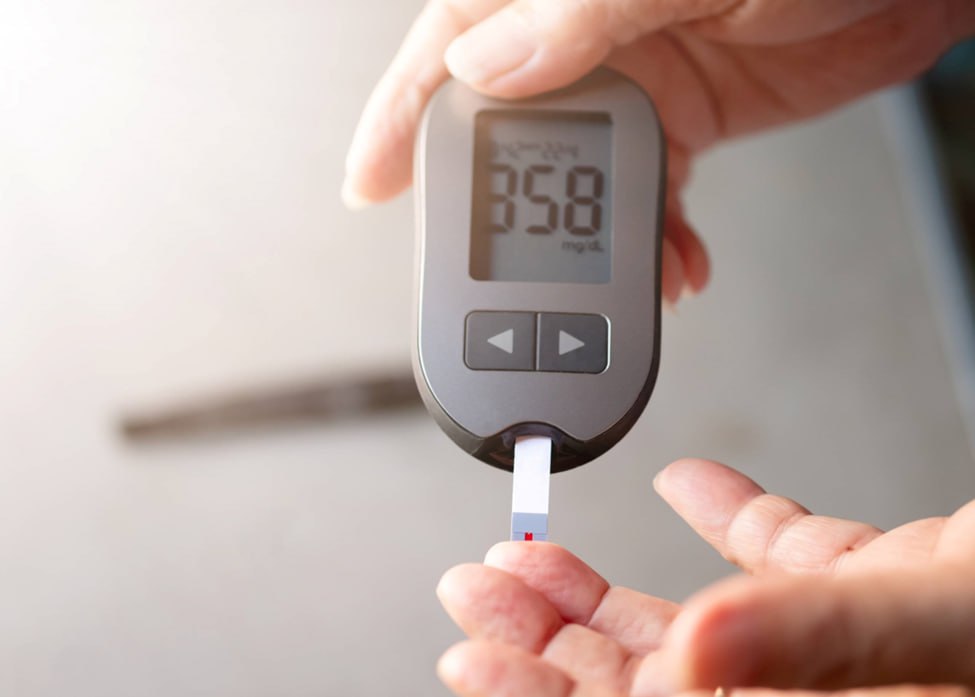


Weight loss injections are becoming increasingly common during Ramadan
More people than ever are arriving at Ramadan with an Ozempic prescription in hand, hoping that combining the holy month’s natural calorie reduction with a powerful appetite suppressant will deliver faster results.
It is an understandable impulse. But doctors across the region are urging caution, pointing out that what seems like a clever shortcut can quickly become a health risk if it is not managed carefully.
Ozempic, the brand name for semaglutide, was originally developed to treat type 2 diabetes. It works by copying a hormone your gut naturally produces after eating, one that slows down how quickly food leaves your stomach, makes you feel full sooner, and helps your body manage blood sugar levels. A related drug called tirzepatide works in a similar way. Both have become widely used for weight loss, and both raise specific concerns during Ramadan.
How the medication works during a fast
The core effect of these injections is appetite suppression, and under a normal eating pattern, that is exactly what makes them useful. During Ramadan, however, reduced hunger can quietly become a problem.
Dr Azeem Irshad, Specialist in Internal Medicine at Aster Clinic Al Nahda, explains the risk: “During Ramadan, appetite suppression may lead to individuals eating too little at Suhoor or skipping it entirely because they don’t feel hungry. This can result in fatigue, dizziness, dehydration, headaches, and reduced concentration during fasting hours.”
When someone is already fasting from dawn until sunset, the last thing they need is to feel so full that they skip Suhoor or pick at a small portion at Iftar and call it enough. Eating too little across two meals is not the same as healthy fasting. The body needs enough fuel to function, and when it does not get it, the signs show up quickly.
For people with diabetes who are also taking blood sugar-lowering medicines, the situation becomes more complex. Dr Kingini Bhadran, Specialist Endocrinologist at Aster Clinic Al Qusais, notes that “fasting already places physiological stress on the body. When combined with medication-induced appetite reduction, patients may unintentionally consume too few calories or insufficient fluids between Iftar and Suhoor, leading to fatigue, muscle loss, and worsening digestive symptoms.”
There is also a risk of blood sugar dropping too low, which can cause shakiness, weakness, and confusion, particularly in people taking more than one diabetes medication.
There is also a more specific concern for those with existing diabetic eye disease, a condition where long-term high blood sugar damages the tiny blood vessels at the back of the eye. Dr Irshad points to research suggesting that rapid shifts in blood sugar levels, rather than low blood sugar alone, can be associated with temporary changes in the retina. During Ramadan, when dietary patterns shift and blood sugar can fluctuate more than usual, careful monitoring is essential.
“Appetite loss alone should never be the goal of treatment. Sustainable weight loss depends on metabolic balance, adequate protein, fibre, micronutrients, sleep quality, and physical activity, not simply eating less.”
Do you need to change your dose?
Not necessarily, and this is where individual assessment becomes so important. Doctors are clear that routine dose reduction is not required for everyone. Dr Irshad explains: “Patients who are stable on their current dose and tolerating it well can usually continue without adjustment, provided they maintain adequate hydration and balanced nutrition.” However, those who have recently started the medication or are still in the period where their doctor is gradually increasing the dose week by week may benefit from pausing that increase and holding at a lower dose for the duration of Ramadan.
What is essential is that any decision about dosing is made with a doctor before Ramadan begins, not improvised midway through the month.
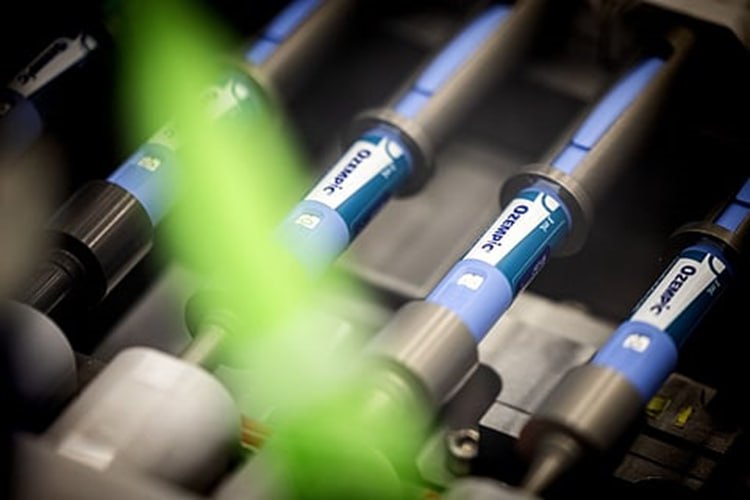
Can you take Ozempic while fasting during Ramadan? UAE experts weigh in
Popular Categories


Previous article

Next article