


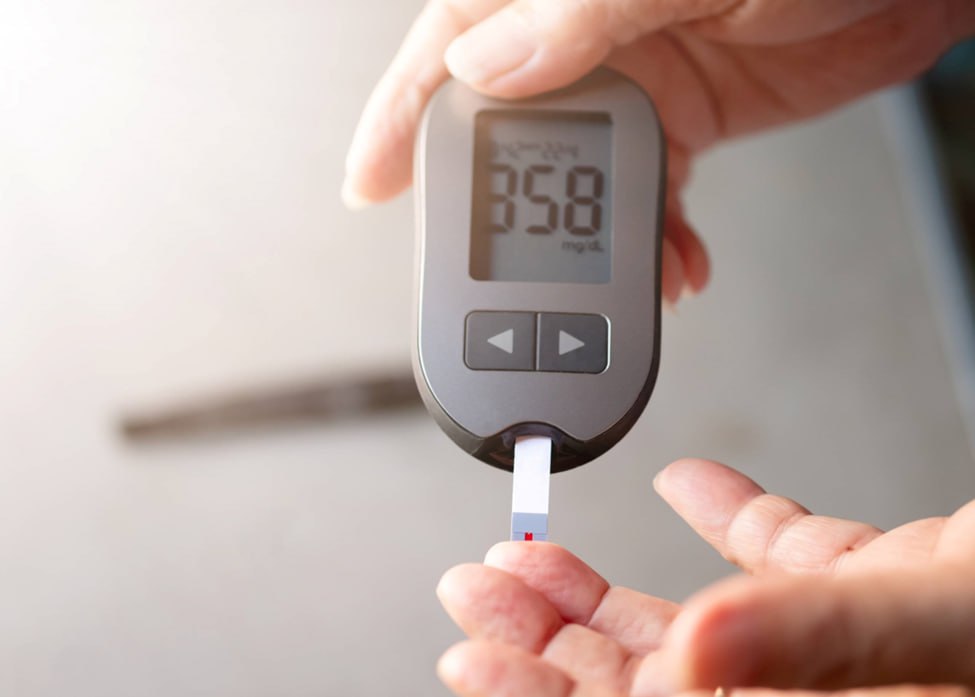
Diabetes is less common among people living at high altitudes, where oxygen levels are low, than at sea level, and researchers who have discovered why that happens say the reason may lead to new treatments.
In low-oxygen conditions, like those on high mountains, red blood cells can shift their metabolism to soak up sugar from the bloodstream, acting as “glucose sponges,” they reported on Thursday in Cell Metabolism.
At high altitudes, being able to carry more glucose gives the red blood cells extra energy to deliver oxygen throughout the body more efficiently. It also has the beneficial side effect of lowering blood sugar levels, according to the report.
In previous experiments, the researchers had seen that mice breathing low-oxygen air had dramatically lower blood glucose levels than normal. That meant the animals were quickly using up glucose after they ate, putting them at lower risk for diabetes.
“When we gave sugar to (these mice), it disappeared from their bloodstream almost instantly,” study author Yolanda Martí-Mateos of the Gladstone Institutes in San Francisco said in a statement.
“We looked at muscle, brain, liver… but nothing in these organs could explain what was happening.”
Ultimately, her team found that red blood cells were the “glucose sink” — a term used to describe anything that pulls in and uses a lot of glucose from the bloodstream.
In low-oxygen conditions, mice not only produced significantly more red blood cells, but each cell took up more glucose than red blood cells produced under normal oxygen levels.
The researchers then tested a drug they developed, called HypoxyStat, that mimics the effects of low-oxygen air by making hemoglobin in red blood cells grab onto oxygen more tightly, keeping it from reaching tissues.
The drug completely reversed high blood sugar in diabetic mice, working even better than existing medications, they said.
The discovery “opens the door to thinking about diabetes treatment in a fundamentally different way, by recruiting red blood cells as glucose sinks,” study co-author Isha Jain, also of the Gladstone Institutes, said in a statement.
Red blood cells soak up sugar at high altitudes
Popular Categories


Previous article
Next article