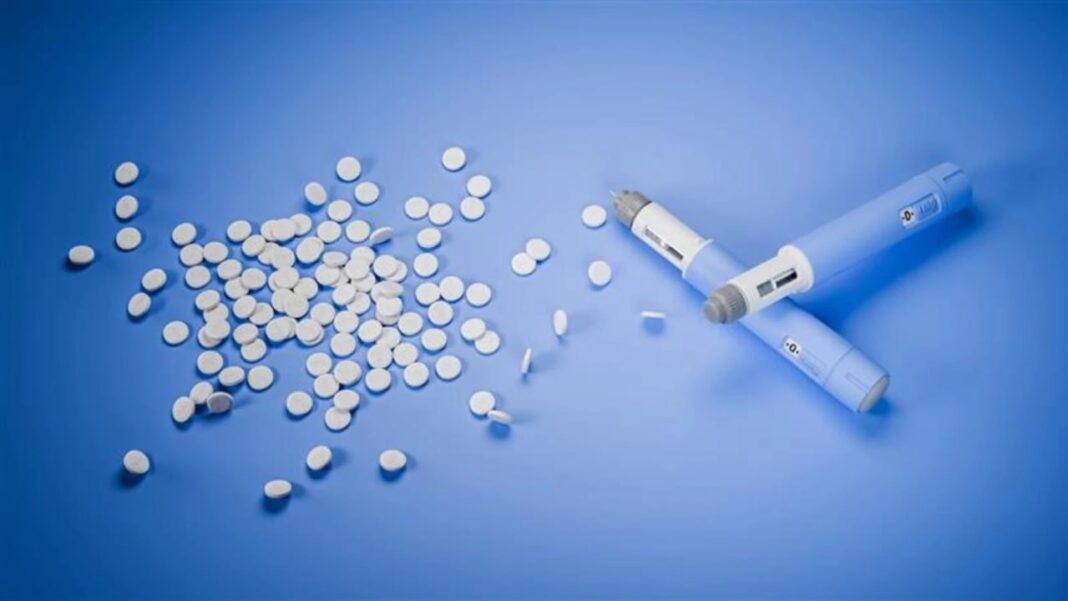


The U.S. Food and Drug Administration said on Friday it would take action against telehealth provider Hims & Hers for its $49 weight-loss pill, including restricting access to the drug’s ingredients and referring the company to the Department of Justice for potential violations of federal law.
Federal action to limit the production of compounded drugs would be a win for Novo Nordisk, which has been losing share in the weight-loss market to rival Eli Lilly and telehealth firms like Hims. However, the FDA did not make clear whether it could quickly halt the sale of Hims’ product, the cheapest GLP-1 therapy on the U.S. market.
Shares of Hims fell 14.1% in after-hours trade.
The FDA said it plans to restrict GLP-1 ingredients used in non-approved compounded drugs that companies such as Hims and other compounding pharmacies have marketed as alternatives to authorized treatments. The agency cited concerns over quality, safety and potential violations of federal law.
On Thursday, Reuters was first to report that Hims would begin offering copies of Novo Nordisk’s new Wegovy pill at an introductory price of $49 per month, about $100 less than the brand name.
Novo Nordisk later said it would take legal action against the telehealth company over its plan to sell compounded copies of the drug.
The U.S. Department of Health and Human Services’ General Counsel, Mike Stuart, also said on Friday he has referred Hims & Hers to the Department of Justice for investigation over potential violations.
Hims said in a statement that the company “has always operated with a deep commitment to the safety and best interests of consumers and in compliance with applicable law.
“We have a long history of successfully working with regulators, and look forward to continuing to engage with the FDA to ensure safe access to affordable healthcare.”
A Lilly spokesperson said the company applauded the FDA action. “For years, compounders have been putting patients at risk by unlawfully mass-producing knockoff drugs using substandard ingredients from illicit foreign suppliers and selling them without clinical evidence that they’re safe or even work. Patients deserve better, and we look forward to decisive action by FDA, other regulators, and law enforcement.”

US signals crackdown on compounded weight-loss drugs; Hims shares tumble
Popular Categories


Previous article
Next article