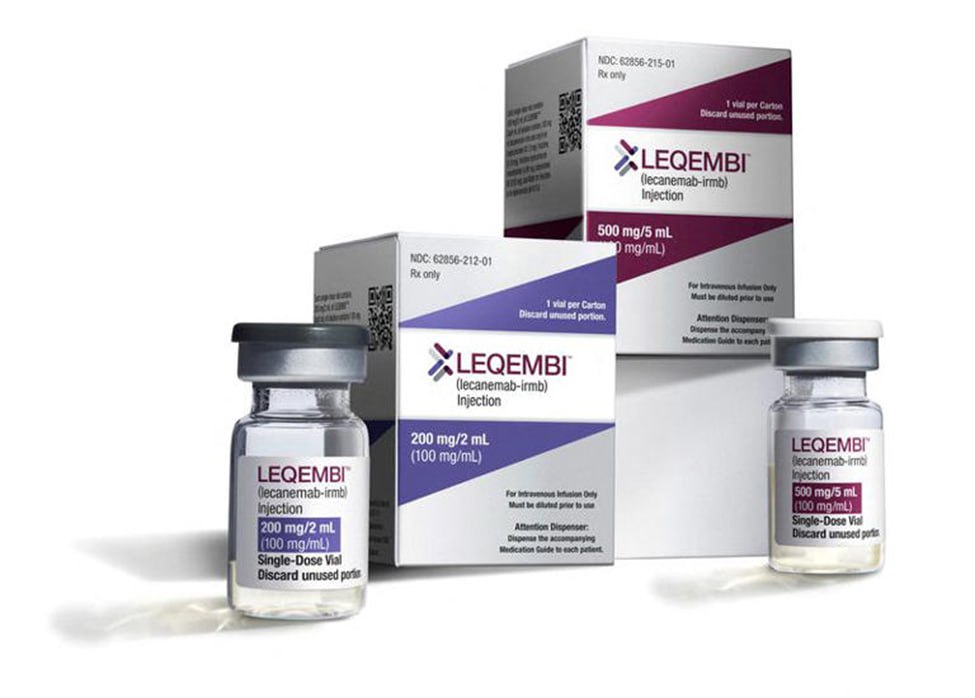


Saudi Arabia has approved its first-ever treatment for Alzheimer’s disease, marking a major step forward in the kingdom’s efforts to expand cutting-edge healthcare.
The Saudi Food and Drug Authority (SFDA) announced on Tuesday the registration of the drug Leqembi (Lecanemab), a pioneering biologic therapy administered via intravenous infusion every two weeks.
The medication is designed for patients in the early stages of Alzheimer’s, including those with mild cognitive impairment or early dementia. It specifically targets individuals who carry no more than one copy of the ApoE4 gene variant, which is associated with increased Alzheimer’s risk.
According to the SFDA, Leqembi belongs to a new class of innovative biologic drugs developed using monoclonal antibody technology. The treatment works by targeting beta-amyloid proteins that build up in the brain, helping to slow the formation of plaques known to be linked to cognitive decline in Alzheimer’s patients.
The approval followed a thorough evaluation of the drug’s efficacy, safety, and quality. Clinical trials have shown promising results, indicating that the treatment can slow disease progression compared to a placebo, based on standard clinical measures used to assess Alzheimer’s treatments.
Common side effects reported include headaches, infusion-related symptoms, and changes detectable by MRI scans known as Amyloid-Related Imaging Abnormalities (ARIA), which may involve brain swelling or microbleeds. These effects are associated with the drug’s mechanism and are closely monitored during treatment.
The SFDA stressed the importance of regular monitoring throughout the treatment period, especially to track potential side effects. It also highlighted the need for genetic screening before starting the therapy to reduce the risk of adverse reactions.
As part of the approval conditions, the pharmaceutical company is required to submit ongoing safety and efficacy reports and implement a robust risk management plan to ensure safe and effective use of the drug.